Poland–Sweden rail ferry back in service
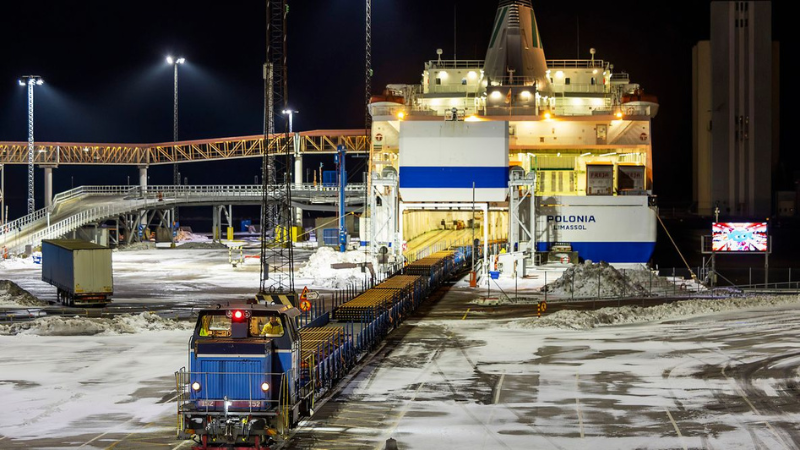
Rail freight connectivity between Central and Northern Europe has received a significant boost with the launch of a new rail ferry solution linking Poland and Sweden. The service is designed to provide a more efficient and sustainable transportation option for long-distance freight movements while strengthening trade flows between Scandinavia and continental Europe.
The new connection combines rail and maritime transportation, enabling freight trains to cross the Baltic Sea without requiring cargo to be transferred between transport modes. By allowing wagons to move directly between rail networks, the solution reduces handling requirements, improves transit efficiency, and supports more seamless cross-border logistics operations.
The development comes as demand for alternative freight transport solutions continues to grow across Europe. Shippers are increasingly looking for ways to reduce supply chain emissions while maintaining reliable transportation capacity. Rail freight has emerged as a key component of this transition, offering lower carbon emissions compared with road transport and supporting broader sustainability objectives across the logistics sector.
The rail ferry connection is expected to benefit a wide range of industries, including manufacturing, automotive, chemicals, forest products, and industrial goods. These sectors rely heavily on efficient transport links between production facilities, distribution centers, and export markets throughout Northern and Central Europe.
In addition to sustainability benefits, the service provides greater flexibility for freight operators by offering an alternative route to traditional land-based corridors. As European supply chains continue to face capacity constraints, infrastructure bottlenecks, and geopolitical uncertainties, diversified transport options are becoming increasingly important for maintaining operational resilience.
The project also reflects growing investment in intermodal logistics solutions across Europe. By integrating rail and maritime transportation into a single transport chain, operators can optimize cargo flows while reducing congestion on major road networks. Such initiatives support the European Union's long-term objective of shifting more freight from road to rail and other lower-emission transport modes.
Industry observers note that improving connectivity between Scandinavian markets and mainland Europe remains a strategic priority as regional trade volumes continue to increase. Enhanced rail links are expected to play an important role in supporting economic growth while contributing to decarbonization targets across the transport sector.
Looking ahead, the expansion of rail ferry and intermodal freight services is likely to strengthen Europe's transportation network by providing shippers with more sustainable and resilient logistics options. As businesses increasingly prioritize both efficiency and environmental performance, demand for integrated rail-based solutions is expected to continue growing throughout the region.
Image source: dbcargo.com


