Middle East Supply Chain Situation

The ongoing conflict in the Middle East continues to significantly disrupt global supply chains, with logistics providers such as DSV closely monitoring developments and coordinating with partners and local authorities. The primary focus remains on ensuring employee safety, maintaining operations, and securing continuity for customer supply chains despite severe constraints.
Air Freight Under Pressure
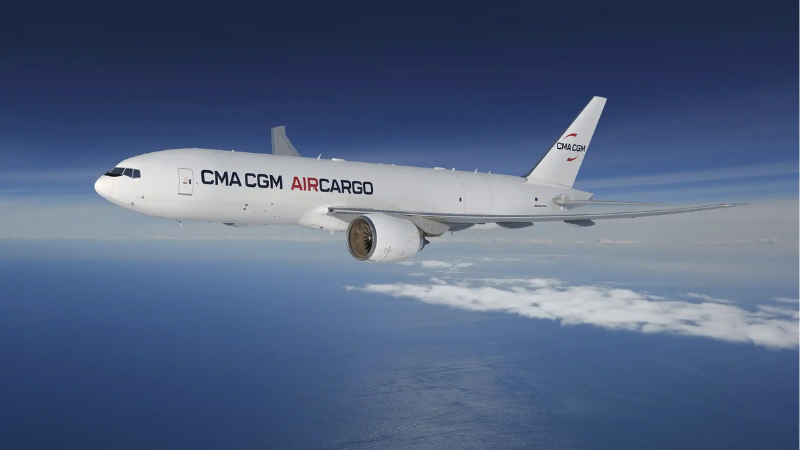
Air freight operations in the region are heavily affected by airspace restrictions, security concerns, and limited flight availability. While some Gulf carriers have resumed restricted cargo services, overall capacity remains extremely tight. Many international airlines have suspended routes to affected destinations, and flight schedules continue to change at short notice.
As a result, cargo is increasingly being rerouted through alternative hubs such as China and Hong Kong, placing additional pressure on global trade lanes. These disruptions are contributing to longer transit times, congestion, and rising costs. Airlines are also introducing fuel and war risk surcharges due to longer routes and increased operational risks .
Customers are therefore advised to expect delays, space shortages, and fluctuating freight rates in the coming weeks.
Global Air Freight Implications
The impact extends far beyond the Middle East. Reduced capacity caused by aircraft redeployments and route changes is tightening availability across major corridors, particularly between Asia and Europe. At the same time, geopolitical tensions are driving up fuel costs, further increasing transportation expenses.
These disruptions are part of a broader global trend, where emergency surcharges linked to fuel volatility and conflict risks are being applied across multiple trade routes.
Ocean Freight and the Strait of Hormuz Crisis
The situation in ocean freight is even more severe, largely due to disruptions in the Strait of Hormuz, which is a critical maritime chokepoint for global trade. The ongoing crisis has significantly reduced shipping activity in the region and forced many carriers to suspend services.
The strait normally handles a substantial share of global oil and energy shipments, and its disruption has been described as one of the largest supply shocks in modern history . Without adequate war risk insurance, many shipping lines are unwilling or unable to operate in affected waters.
As a result:
vessels are being diverted to alternative ports,
transit times are increasing,
costs are rising due to rerouting and surcharges,
and new bookings to certain destinations are being restricted.
War risk and emergency surcharges have become common across ocean freight, further increasing the financial burden on supply chains .
Road Freight and Regional Logistics
Road freight operations across the Middle East continue but face growing challenges. Increased border controls, security measures, and congestion are causing delays and variability in transit times. Alternative routing strategies are being implemented, but these often lead to higher costs and operational complexity.
At the same time, warehousing and contract logistics facilities remain operational, although disruptions in inbound and outbound flows are becoming more frequent. Companies are strengthening contingency planning and workforce coordination to maintain service continuity.
Broader Economic Impact
The disruption of supply chains is closely tied to the global energy crisis triggered by the conflict. The closure and instability of key routes have affected up to 20% of global oil flows, leading to rising fuel prices and widespread economic consequences .
Higher energy costs are feeding into transportation, manufacturing, and consumer prices worldwide, increasing the risk of inflation and slowing economic growth.
DSV’s Response and Customer Guidance
In response to the crisis, DSV has implemented contingency measures to mitigate disruption. These include diversifying transport routes, securing available capacity, and providing flexible logistics solutions tailored to customer needs.
Customers are encouraged to:
plan shipments in advance and book early,
share updated forecasts to support capacity planning,
review insurance coverage for shipments in affected regions,
consider alternative routes and delivery timelines,
and prepare for congestion at diversion ports.
Conclusion
The Middle East conflict is reshaping global logistics networks, affecting air, sea, and land transport simultaneously. With ongoing uncertainty and rapidly changing conditions, supply chain disruptions are expected to persist. Companies must remain flexible, proactive, and well-informed to navigate the evolving landscape and maintain operational resilience.
Image source: dsv.com