Modernised railway line strengthens connections in Southeast Europe
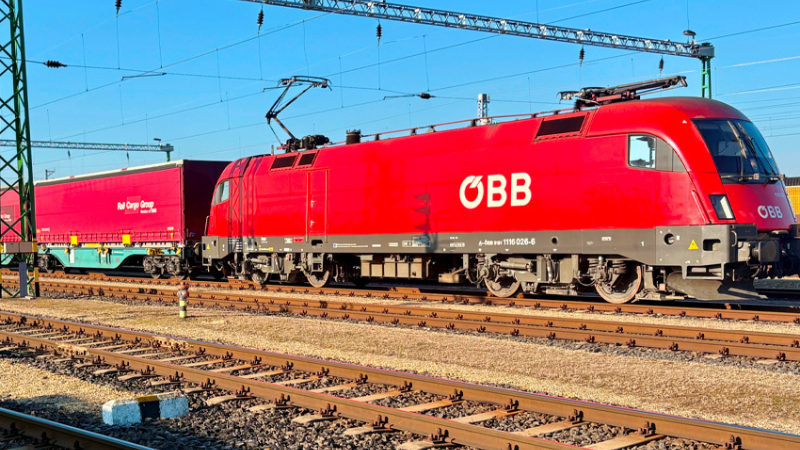
Budapest–Belgrade railway has officially entered regular freight operations, marking a significant milestone for rail cargo connectivity in Southeast Europe and strengthening the ÖBB Rail Cargo Group network in the region.
The upgraded 350 kilometre line significantly improves transport between the Hungarian and Serbian capitals while enhancing connections to key European transport corridors. The route plays an important role in enabling faster and more efficient movement of goods from Greek ports such as Piraeus and from Asia into Central and Western Europe.
The modernisation of the railway infrastructure has delivered increased capacity and improved reliability. The line is now double tracked and electrified, allowing for longer freight trains and more predictable operations, which supports more efficient and stable logistics flows across the region.
The upgraded corridor also simplifies freight operations around Budapest. Trains arriving from the south can now access the BILK terminal directly, bypassing the heavily congested Ferencváros rail hub. This reduces transit times, streamlines operations, and relieves pressure on one of Hungary’s key railway nodes.
The launch of freight services comes as demand for efficient rail transport continues to grow, driven by the need for more resilient and sustainable supply chains. The Budapest–Belgrade corridor is expected to play a central role in strengthening regional logistics networks and supporting the shift towards rail as a key component of European freight transport.
Image source: railcargo.com


