Busan Port to Install 'AI Brain' Beyond Automation
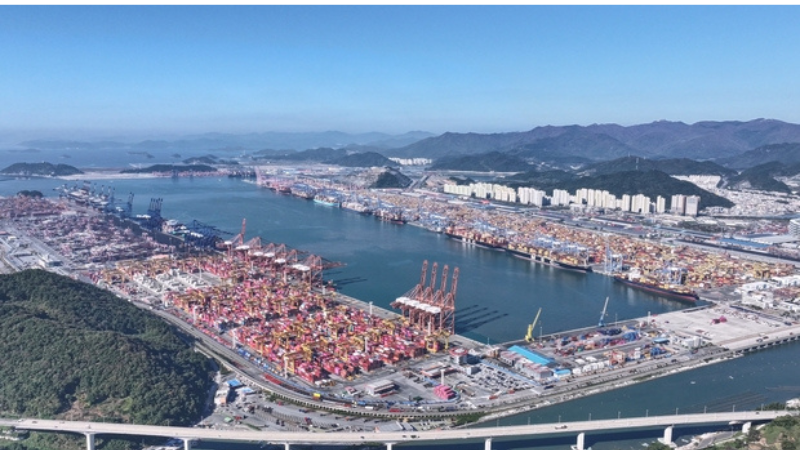
Busan Port is undergoing a major transformation from a traditional automated port into a fully AI-powered “smart port” capable of making decisions and operating autonomously.
The initiative is part of South Korea’s national strategy to become a global leader in artificial intelligence. Under the plan, the port aims to increase container terminal productivity by 30% by 2030 while achieving zero workplace fatalities.
At the center of this transformation is the Busan Port AX (AI Transformation) Implementation Plan, the first comprehensive AI roadmap in Korea’s port industry. The vision is to create a “hyper-connected AI port” where all logistics operations are integrated through data and intelligent systems.
A key objective is the development of a Korean-style AI automated terminal. This includes the use of domestically produced cranes, an integrated Equipment Control System (ECS), and AI systems that can independently decide optimal container storage and handling. Digital twin technology will simulate operations in advance, while autonomous vehicles will enable cargo movement without human intervention.
The transformation goes beyond automation to create what officials describe as a “port with a brain.” AI will manage logistics flows, predict vessel arrivals, optimize berth operations, and even recommend alternative shipping routes when disruptions occur. A unified data platform will connect land, sea, and port operations into a single intelligent network.
Safety is another major focus. The port plans to introduce real-time AI monitoring systems to detect risks and prevent accidents. Dangerous tasks, such as container securing, will increasingly be handled by robots, creating a safer working environment with minimal human exposure to hazards.
To support this transformation, significant investments are being made in infrastructure. The total project cost is estimated at 892.1 billion won, with a large portion allocated to AI systems, data centers, and high-performance computing facilities.
If successfully implemented, Busan Port will not only improve efficiency and safety but also become a global model for AI-driven logistics. The long-term goal is to export this complete AI port system to international markets, positioning Korea as a leader in next-generation smart ports.
Image source: en.sedaily.com

