DSV Warns of Ongoing Global Supply Chain Disruptions Amid Middle East Conflict
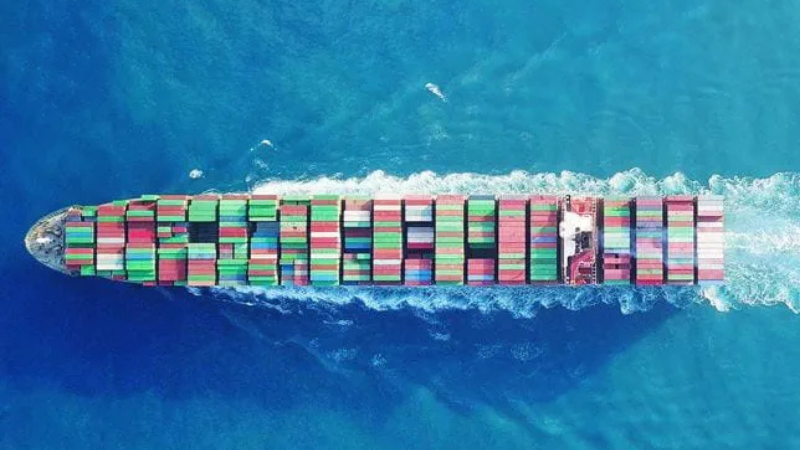
Global logistics provider DSV has warned that the ongoing conflict in the Middle East continues to significantly disrupt global supply chains, impacting air, sea, and road freight operations across multiple trade lanes.
The company stated that while it remains operational in the region, severe disruptions in the flow of goods persist. DSV is working closely with partners and local authorities to maintain operations and ensure the safety of employees, while also implementing alternative routing solutions to keep supply chains moving.
Air freight under pressure
Air freight capacity in the region remains heavily constrained. While some Gulf carriers have resumed limited freighter operations, international airlines have suspended services to key destinations such as Israel, and overall available capacity remains very limited.
The disruption is now spreading beyond the Middle East, affecting global trade lanes. Cargo flows from Southeast Asia, the Indian Subcontinent, and Oceania are increasingly being rerouted via China and Hong Kong, placing additional pressure on already congested corridors. This has led to tightening capacity, schedule instability, and increased likelihood of delays, cancellations, and short-notice rate changes.
DSV expects broader global impacts, including reduced air freight capacity, rising rates, and the introduction of war risk and fuel surcharges as geopolitical tensions continue to affect energy markets and operational costs.
Sea freight disruptions intensify
Ocean freight operations are also facing major challenges. Many shipping lines have suspended services to the Arabian Gulf due to safety concerns and the cancellation of war risk insurance coverage. Without such coverage, carriers are unable to operate safely in affected waters, particularly around the Strait of Hormuz.
As a result, shipments bound for the region are being diverted to alternative ports, where cargo is discharged and made available for onward delivery or rerouting. This has created additional complexity for shippers and is expected to cause congestion and delays across global shipping networks.
Road and contract logistics remain operational
Road freight services across the region are still largely operational, although delays at borders and customs points are expected. Increased security measures and alternative routing strategies may also lead to fluctuations in transit times and costs.
Meanwhile, contract logistics operations, including warehousing and distribution, continue with contingency measures in place. However, irregularities in inbound and outbound flows are possible as the situation evolves.
Contingency planning and customer guidance
In response to the crisis, DSV has activated contingency measures aimed at protecting capacity, diversifying carrier options, and maintaining service continuity on critical trade lanes. The company is also providing proactive updates on rate developments and surcharges.
Customers are advised to plan shipments carefully, confirm bookings early, and consider flexible routing options. DSV also recommends reviewing insurance coverage and factoring potential congestion and delays into supply chain planning.
Outlook remains uncertain
DSV emphasized that the situation remains highly dynamic, with further disruptions likely in the coming weeks. Ongoing geopolitical developments are expected to continue influencing global logistics networks, with capacity constraints, cost pressures, and operational challenges affecting supply chains worldwide.
Image source: dsv.com