From Air to Ocean: Decarbonising Pharma Cold Chain Logistics with Maersk

As governments and industries intensify efforts to combat climate change, the pharmaceutical sector is rapidly transforming its supply chains to reduce greenhouse gas (GHG) emissions. One leading global pharmaceutical company, committed to achieving net zero emissions by 2040 under the Science Based Targets initiative (SBTi), partnered with A.P. Moller - Maersk to rethink how temperature sensitive medicines are transported worldwide.
The Challenge: Reducing Scope 3 Emissions
Pharmaceutical logistics relies heavily on air freight because medicines and vaccines often require strict temperature control and fast delivery. However, air transport is one of the most carbon intensive logistics methods. According to the Global Logistics Emissions Council (GLEC), reducing dependence on air freight is one of the most effective ways to lower transport related emissions.
The pharmaceutical company therefore sought a solution that could maintain full cold chain compliance, protect product quality and patient safety, reduce Scope 3 emissions across its supply chain, improve visibility and control over shipments, and transition part of its logistics operations from air to ocean freight.
Maersk’s Pharma Cold Chain Management Solution
To address these challenges, Maersk introduced its Pharma Cold Chain Management (PCCM) solution. The system combines end to end logistics management with advanced monitoring technologies and pharmaceutical compliance standards.
Key elements of the solution included dedicated pharma logistics teams at origin and destination points, 24/7 control tower monitoring, real time tracking of refrigerated containers, Corrective and Preventive Action (CAPA) management, and full compliance with Good Distribution Practice (GDP) standards.
The customer also gained digital visibility through Maersk’s Captain Peter platform, while integrated API connectivity enabled shipment data to flow directly into the company’s internal systems. These capabilities allowed the pharmaceutical company to confidently shift a significant portion of its shipments from air to sea transport while maintaining product integrity throughout the journey.
Lower Emissions Through Ocean Freight
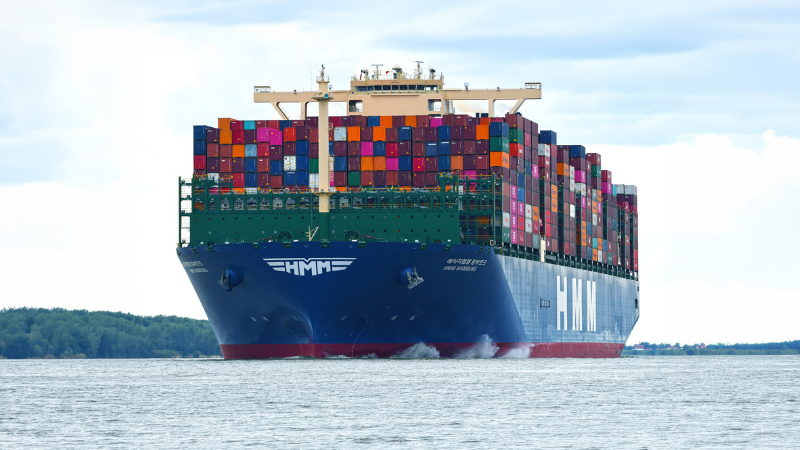
Beyond moving cargo from air to ocean transport, the customer also adopted Maersk’s ECO Delivery Ocean service, which uses lower emission fuels and verified carbon reduction methodologies to further decrease environmental impact.
The transition produced significant results. Approximately 4,578 metric tons of CO₂ emissions were saved, an environmental benefit equivalent to removing more than 1,000 passenger cars from the road for one year. In addition to reducing emissions, the company achieved lower logistics costs, improved shipment visibility, and enhanced supply chain resilience.
Although air freight continues to offer faster delivery times, the pharmaceutical company is aiming to achieve a 50% ocean freight share by 2025. Currently, Maersk manages around 70% of the company’s ocean freight operations, highlighting the growing importance of sustainable logistics partnerships within the healthcare sector.
The Future of Sustainable Pharma Logistics
The collaboration between Maersk and the pharmaceutical company demonstrates that sustainability and supply chain reliability can successfully go hand in hand. As demand for temperature controlled medicines continues to rise, pharmaceutical companies are increasingly investing in resilient, low emission cold chain solutions that balance environmental responsibility with patient safety.
Maersk’s broader sustainability strategy includes investments in greener fuels, energy efficient logistics infrastructure, and low emission transportation solutions across ocean, inland, and cold chain logistics networks.
This case highlights how innovation, digital monitoring, and strategic logistics partnerships can help the healthcare industry reduce emissions while continuing to deliver life saving medicines safely and efficiently around the world.
Image source: maersk.com