Maersk North America Market Update — May 2026
Market conditions across North America are showing signs of stabilization, although operational pressures continue to shift across global logistics networks. In its latest market update, A.P. Moller - Maersk outlined the key developments impacting ocean freight, inland transportation, air cargo, warehousing, customs, and supply chain operations across the region.
Global Container Demand and Market Conditions
Container trade demand increased during the first quarter of 2026, supported by strong export growth from China. Global container demand expanded by an estimated 3% to 5% year on year during Q1 2026. However, geopolitical tensions in the Middle East continued to affect regional demand toward the end of the quarter. While import growth was strongest in Africa and Europe, North American import growth remained slightly negative.
Maersk noted that the overall outlook for global container demand remains uncertain due to elevated energy prices and ongoing trade constraints in the Upper Gulf region. Assuming oil prices remain between USD 90 and 100 per barrel and tensions in the Middle East ease in the coming months, global container demand is still expected to grow between 2% and 4% during 2026.
Trade Policy and Tariff Developments
Trade policy changes are creating immediate financial implications for importers across North America. Following a February 2026 U.S. Supreme Court ruling invalidating certain tariffs imposed under the International Emergency Economic Powers Act (IEEPA), U.S. Customs and Border Protection opened a refund claims portal on April 20. Importers can now reclaim eligible duties paid over the previous year, with refund processing expected to take between 60 and 90 days.
At the same time, regulatory agencies across the United States, Canada, and Mexico are increasing scrutiny on supply chain origin tracing, customs valuation, and trade data accuracy. The U.S. Department of Justice has established a Trade Fraud Task Force focused on identifying transshipment practices used to disguise the true origin of goods.
Ocean Freight and Gateway Operations
Maersk continues to adjust its maritime network in response to disruptions linked to the Middle East conflict. Customers using Mediterranean trade lanes are being advised to prepare for possible delays and changing transit times as routing adjustments continue.
On Transpacific routes, demand has increased, particularly through U.S. West Coast gateways. Ports in Los Angeles and Long Beach remain under pressure as cargo volumes continue to recover, leading to longer terminal processing times and localized congestion. Meanwhile, rail performance across North America has improved as networks transition out of the winter season. Prince Rupert in Western Canada has seen notable gains in inland reliability and reduced terminal dwell times.
Maersk also highlighted increasing activity along the North America to Africa corridor. Seasonal exports, including cut flowers from West Africa and citrus reefer cargo from South Africa, are contributing to stronger demand across refrigerated shipping networks.
Air Freight Pressures and Sea-Air Conversions
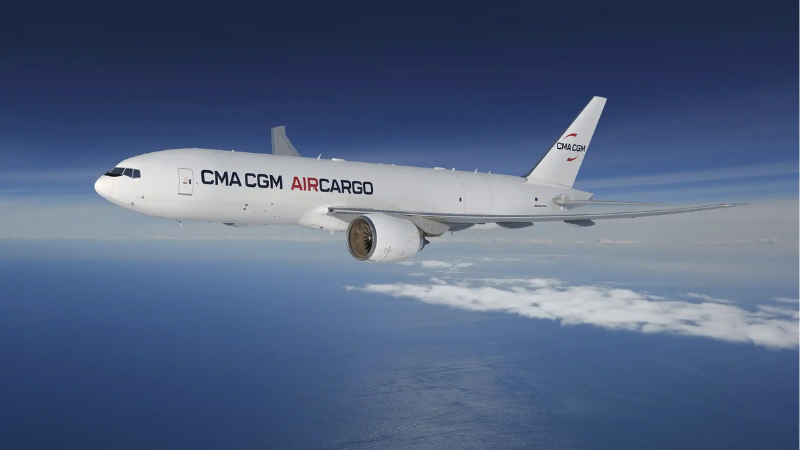
The Middle East conflict has also created volatility in the global air freight market. As ocean shipments face longer transit times due to route diversions, more shippers are turning to Sea-Air solutions to maintain supply chain continuity. This has increased cargo volumes at major transit hubs such as Dubai and Singapore, creating intermittent capacity bottlenecks and longer lead times for shipments destined for North America.
In Mexico, the air cargo sector is experiencing additional pressure from rising demand, weather related airport limitations, and capacity disruptions affecting European and Asian carriers. To support customers during these disruptions, Maersk has introduced Critical Desk services, including Next Flight Out (NFO) and Hot Shot solutions for urgent cargo.
Inland Logistics and Warehousing
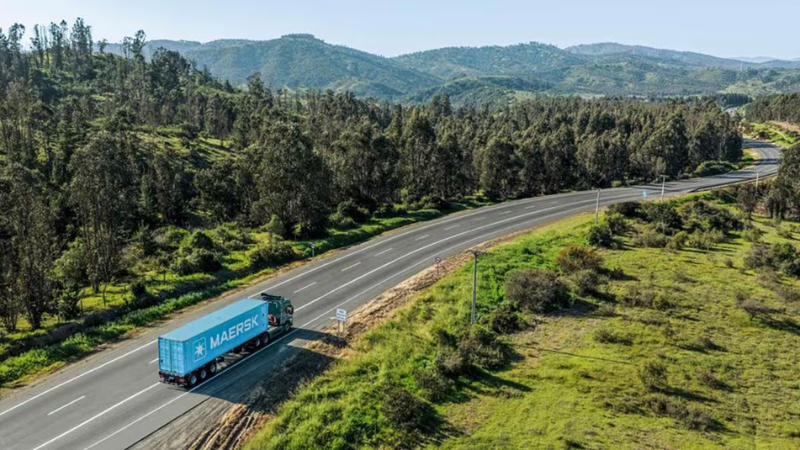
Rising diesel prices continue to impact drayage and inland transportation costs across North America, especially at East Coast and Gulf Coast gateways. Fuel surcharges remain a significant component of overall transportation expenses, while microcongestion around Los Angeles and Long Beach is reducing truck productivity and increasing gate turn times.
The warehousing market, however, is beginning to stabilize after several years of volatility. Companies are moving away from fixed long term warehouse commitments and increasingly adopting flexible, data driven distribution strategies. Shippers are focusing on balancing inland transportation costs with regional service levels as they prepare for future peak seasons.
Cold Chain and E-Commerce Logistics
Cold storage capacity has improved across several regions in North America, shifting customer focus toward service quality, throughput, compliance, and visibility. Retailers continue prioritizing inventory velocity and centralized control for fresh produce, while pharmaceutical companies are demanding higher standards for shipment visibility and exception management within temperature controlled logistics.
At the same time, North American e-commerce logistics networks are evolving toward larger freight flows, multi carrier flexibility, and inventory positioning closer to end consumers. Shippers are increasingly prioritizing resilience, predictability, and scalability rather than relying solely on speed.
Outlook for North American Logistics
Maersk’s May 2026 update highlights how geopolitical instability, evolving trade regulations, and shifting supply chain strategies are reshaping logistics operations across North America. While freight demand remains relatively stable, rising energy costs, customs enforcement, and operational disruptions continue to create uncertainty across global transportation networks.
The report also demonstrates the growing importance of flexible logistics solutions, integrated transportation networks, and real time supply chain visibility as businesses adapt to increasingly complex global trade conditions.
Image source: maersk.com